
Spinal Nerve Compression Timeline: Recognize Early Warning Signs | Expert Neurosurgery
Introduction
Spinal nerve compression is a serious medical condition that develops progressively over time, often catching patients off guard until symptoms become severe. Understanding the timeline of nerve compression and recognizing early warning signs can be the difference between full recovery and permanent neurological damage. This comprehensive guide will help you identify critical symptoms at each stage and understand when to seek immediate medical attention.
Understanding Spinal Nerve Compression
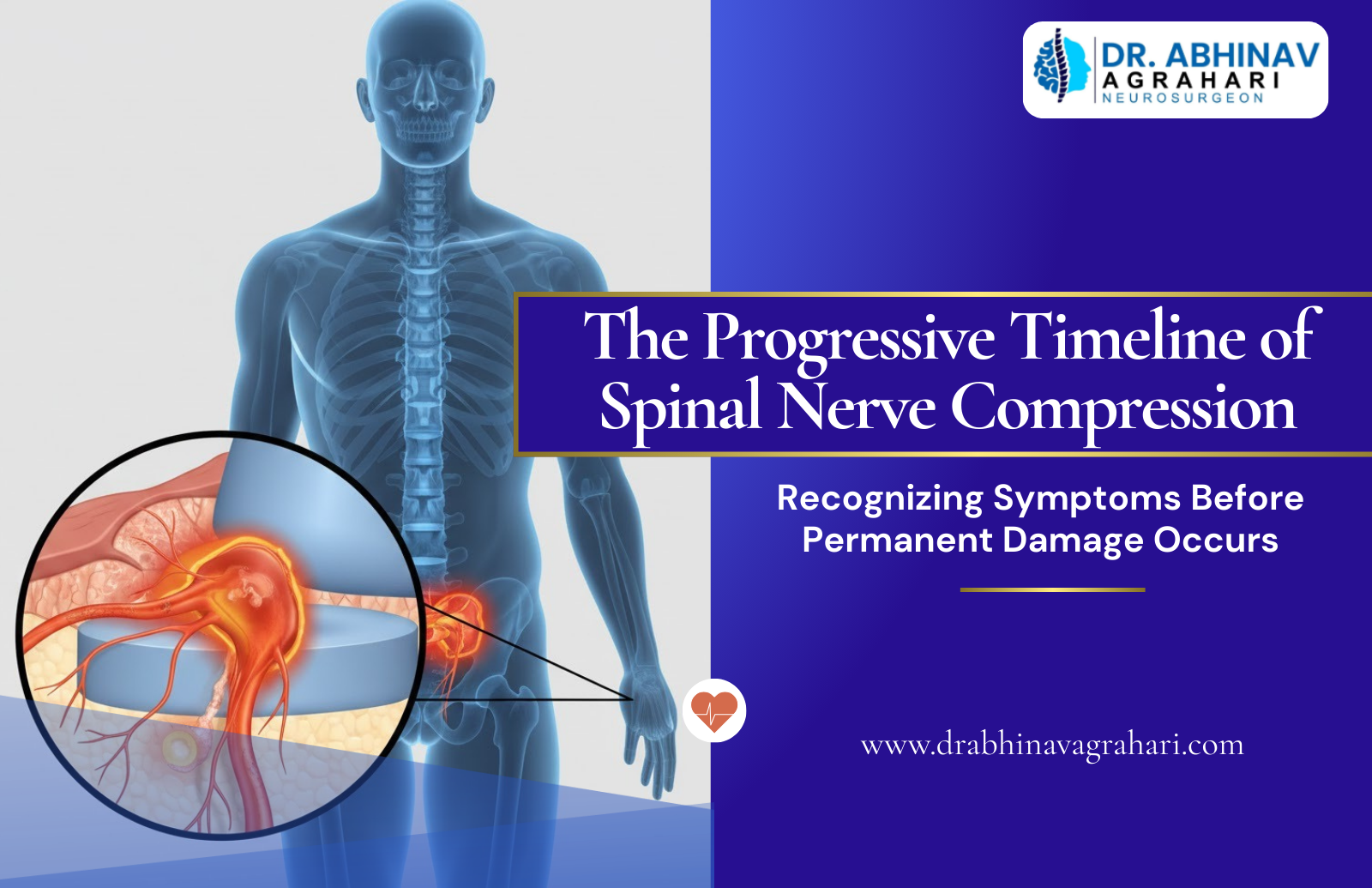
Spinal nerve compression occurs when pressure is applied to nerves as they exit the spinal column. This pressure can result from herniated discs, bone spurs, spinal stenosis, tumors, or traumatic injuries. The condition doesn't develop overnight but follows a predictable pattern of progression that patients and healthcare providers must recognize.
Stage 1: Early Symptoms (Weeks 1-4)
The initial stage of nerve compression often presents with subtle symptoms that many people dismiss as temporary discomfort. During this phase, you might experience intermittent tingling sensations, mild numbness in the extremities, or occasional sharp pains that seem to come and go without pattern.
At this crucial early stage, the nerve is experiencing pressure but hasn't sustained significant damage. The symptoms are your body's warning system signaling that something requires attention. Many patients report feeling like their hand or foot has "fallen asleep" more frequently than usual, or experiencing brief shooting pains that radiate down an arm or leg.
Early intervention during this phase offers the best prognosis. If you're experiencing these warning signs, consulting with the best Expert Neurosurgeon doctor in South Delhi can provide an accurate diagnosis through physical examination and imaging studies, potentially preventing progression to more serious stages.
Stage 2: Moderate Progression (Months 1-3)
As nerve compression continues without treatment, symptoms become more persistent and pronounced. The intermittent sensations transform into constant discomfort. Patients frequently report burning sensations, persistent numbness, and weakness in affected muscle groups.
During this stage, daily activities become noticeably more difficult. You might struggle with fine motor tasks like buttoning shirts, experience difficulty walking or maintaining balance, or find that certain positions provide temporary relief while others exacerbate symptoms. Pain may intensify at night, disrupting sleep patterns and affecting overall quality of life.
The nerve tissue begins showing signs of distress at the cellular level. While still reversible with appropriate intervention, the window for optimal recovery starts narrowing. Comprehensive evaluation at a facility offering the best Brain and Spine Surgery in South Delhi becomes essential for determining whether conservative treatment or surgical intervention is necessary.
Stage 3: Advanced Compression (Months 3-6)
This critical phase marks a turning point where nerve damage may become permanent if left untreated. Muscle atrophy becomes visible as compressed nerves can no longer properly innervate muscle tissue. Patients often notice decreased muscle mass in affected areas, particularly in the hands, feet, or legs.
Weakness progresses from mild inconvenience to significant functional impairment. Simple tasks like gripping objects, climbing stairs, or standing from a seated position become challenging or impossible. Reflexes may diminish or disappear entirely, and coordination problems increase fall risk significantly.
Pain characteristics often change during this stage. Some patients experience intensifying pain, while others notice paradoxical pain reduction as nerve tissue becomes increasingly damaged. This decrease in pain shouldn't be mistaken for improvement; it actually indicates worsening nerve function.
Immediate consultation with the best Expert Neurosurgeon doctor in South Delhi is imperative at this stage. Advanced imaging studies, nerve conduction studies, and electromyography help assess the extent of damage and guide treatment decisions.
Stage 4: Severe and Potentially Irreversible Damage (Beyond 6 Months)
When nerve compression persists beyond six months without adequate treatment, the risk of permanent neurological deficit increases dramatically. Nerve tissue that has been chronically compressed may lose its ability to regenerate, even after pressure is relieved.
Patients at this stage often experience paralysis in affected muscle groups, complete loss of sensation in dermatome patterns, and potential bowel or bladder dysfunction in cases of severe spinal cord compression. The quality of life deteriorates significantly, and independence in daily activities becomes compromised.
Even at this advanced stage, surgical decompression by specialists at centers offering the best Brain and Spine Surgery in South Delhi can prevent further deterioration and occasionally restore some function, though complete recovery becomes increasingly unlikely.
Red Flag Symptoms Requiring Immediate Attention
Certain symptoms indicate medical emergencies requiring immediate evaluation:
- Sudden onset of severe weakness or paralysis
- Loss of bladder or bowel control
- Saddle anesthesia (numbness in the inner thighs and buttocks)
- Progressive weakness over hours or days
- Severe pain unresponsive to medication
These symptoms may indicate cauda equina syndrome or acute spinal cord compression, conditions requiring emergency surgical intervention to prevent permanent paralysis.
Diagnostic Approach and Treatment Options
Early diagnosis dramatically improves outcomes. Healthcare providers utilize physical examinations, MRI scans, CT scans, and nerve conduction studies to assess compression severity and location. Treatment ranges from conservative approaches like physical therapy, anti-inflammatory medications, and lifestyle modifications to minimally invasive procedures and surgical decompression.
Conclusion
The progressive nature of spinal nerve compression emphasizes the critical importance of early recognition and intervention. What begins as occasional tingling can progress to permanent disability if ignored. Listen to your body's warning signals, seek prompt medical evaluation when symptoms appear, and don't hesitate to consult with experienced neurosurgical specialists. Remember that time is nerve tissue—the sooner compression is addressed, the better your chances for complete recovery and preservation of neurological function.
Frequently Asked Questions
Q1: How quickly can nerve compression cause permanent damage?
Permanent damage typically occurs after 6-12 months of continuous compression, though this varies by individual and compression severity.
Q2: Can physical therapy alone treat spinal nerve compression?
Mild to moderate cases often respond well to conservative treatment including physical therapy, but severe compression may require surgical intervention.
Q3: What's the difference between nerve compression and a pinched nerve?
These terms are often used interchangeably, both referring to pressure on nerves causing pain, numbness, or weakness.
Q4: Is surgery always necessary for spinal nerve compression?
No, many cases resolve with conservative treatment. Surgery is reserved for severe cases, progressive symptoms, or when conservative measures fail.
Q5: Can symptoms improve on their own without treatment?
While some mild cases may self-resolve, relying on spontaneous improvement risks permanent damage. Medical evaluation is always recommended.

